Treatment of Torticollis (whole-body approach)
Have you noticed your baby tilting their head in the carseat? Preferring to sleep with head turned in one direction? Difficulty nursing on one side more than the other? These are all signs of a condition called, torticollis. This is when the sternocleidomastoid (SCM) muscle in the neck is tight and causes the head to tilt and rotate to one side.
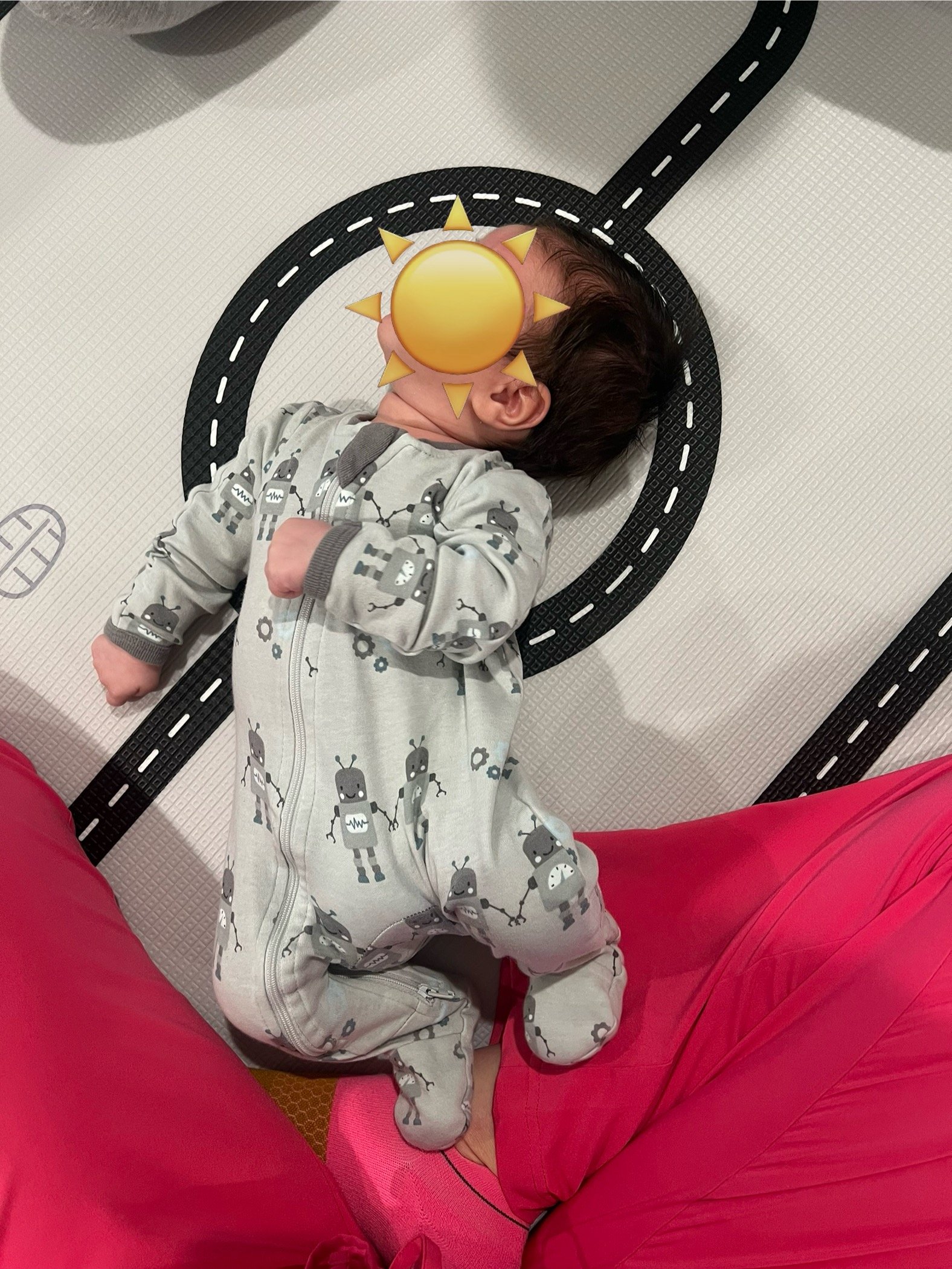
While it may be most noticeable in the head and neck, there is generally tension throughout the entire body. Due to fascial restrictions, this can cause a c-shape posture, tight hips, etc. This is why it is important to find a provider that understands the importance of addressing the WHOLE body, and not simply stretching the neck.
Historically, providers would perform stretches (only on the tightened side) which yielded poor results. Stretching an unhappy baby - not super effective. Equally as ineffective is a generic handout often times provided to parents at well-child appointments with the same stretches for every baby. At Live Better PT, a session for a baby with torticollis will not be a tearful experience, but a pleasant one. It will look like a combination of gentle manual techniques, oral motor assessment (common to see dysfunction in combination with torticollis), functional strengthening exercises, and repositioning techniques to facilitate symmetry. It also includes a specific home exercise program provided in writing for parents to work on during the week. This is huge.
Torticollis is super common. It typically begins in utero. The sooner intervention begins, the quicker we see improvement. There is no need to wait until there is head flattening. If the underlying restrictions are addressed early, a true torticollis can likely be prevented, as well as head flattening and delayed motor milestones.
If you have questions about your baby’s head turn preference, please reach out sooner rather than later. Whether virtually or in-person, we would love to help! Message me here!